Eight Outer Temples in Chengde
The early years of the Qing Dynasty, China’s Tibetan Buddhism in China and Mongolia, the Tibetan areas (including Qinghai, Xinjiang) powerful, devout followers of faith, the Mongolian Buddhist teachings, the Tibetan people’s spiritual pillar. Lamaism elites effectively in the political control of local government, brought together a large number of economic wealth and cultural possession of the Institute by the Church. Qing government to strengthen the rule of the North, the consolidation of national unity, on the border of the minority of “Huairou” policy. “Huairou” policy is an important part of the Mongolian and Tibetan peoples to take “difficult to teach because of its vulgar” and “practices for governance” policy. Qianlong said: “Yellow-hing, that is why the Mongolian public security, the Department of non-small, it must be protected.” Reflect the Qing rulers in order to conform to customs of ethnic minorities, respect for religious elites, Mongolian and Tibetan Affairs strategy to achieve the close of the local and central government relations, the consolidation of national unity for the purpose of strategic thinking.
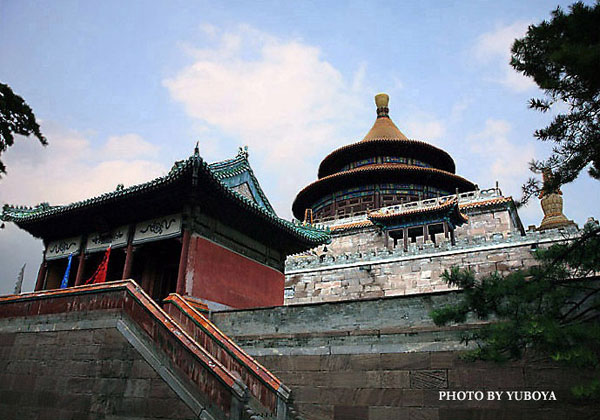
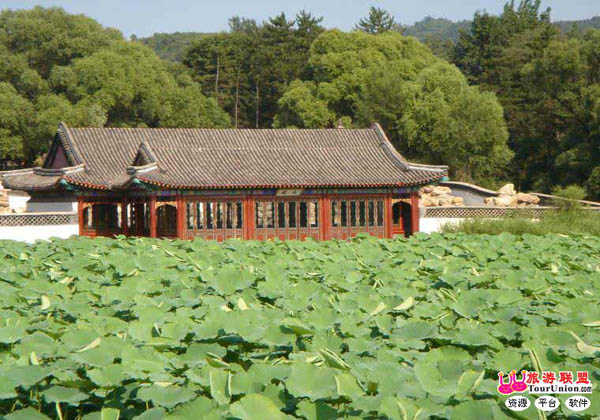
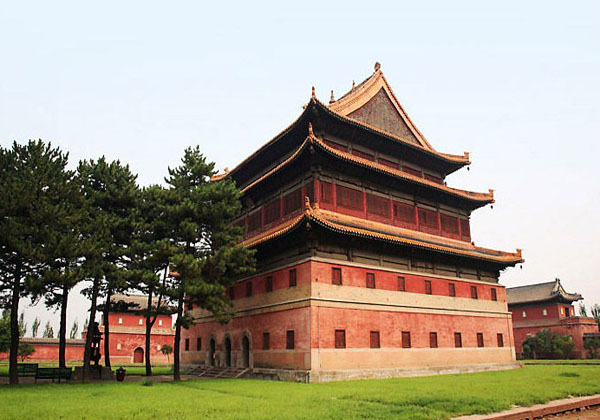
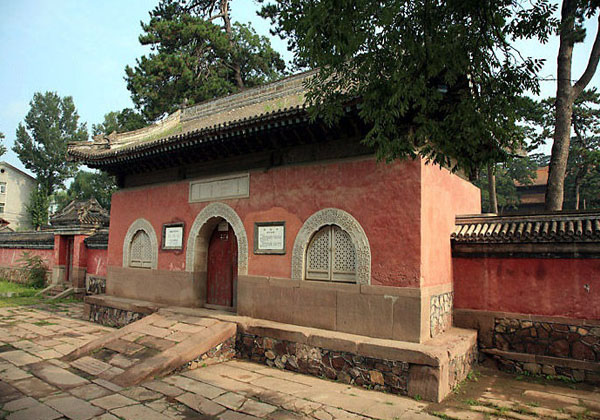
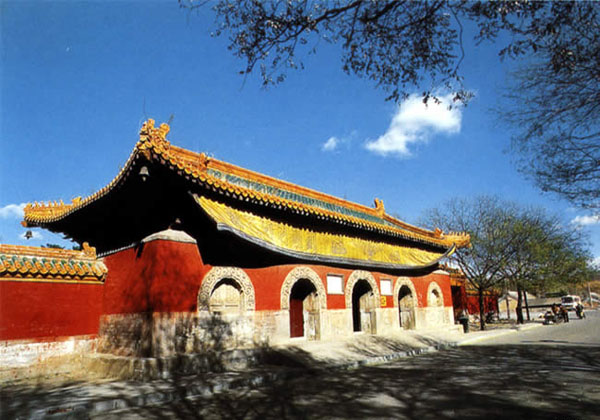
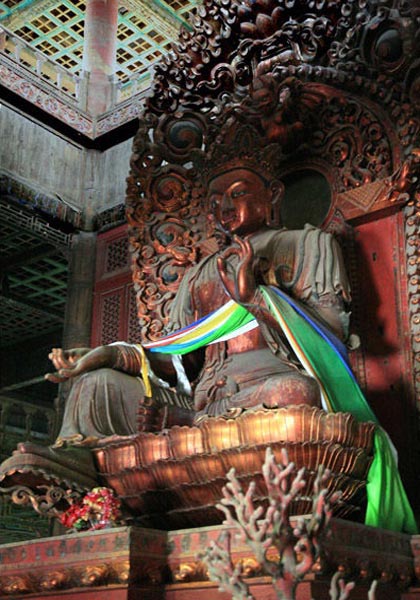
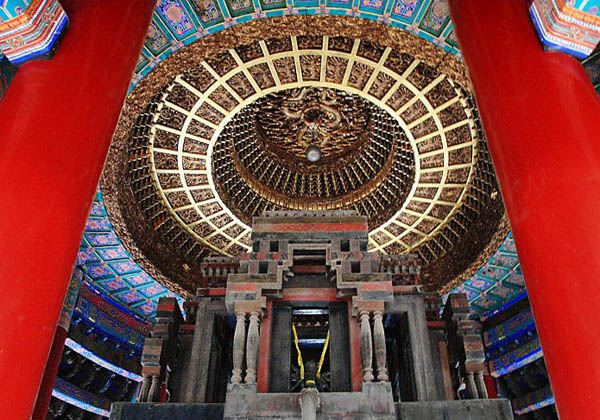
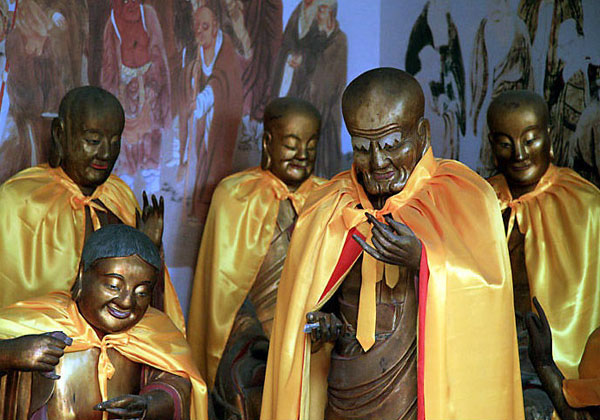
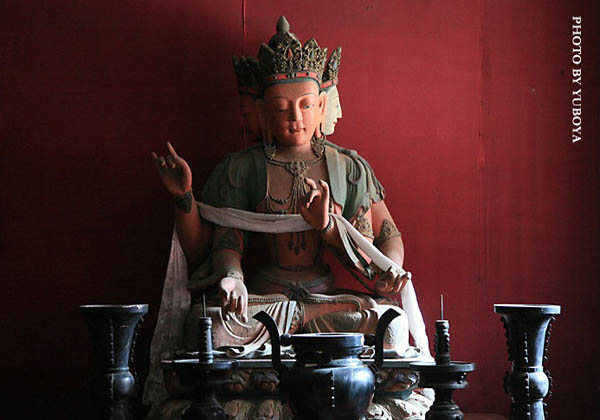
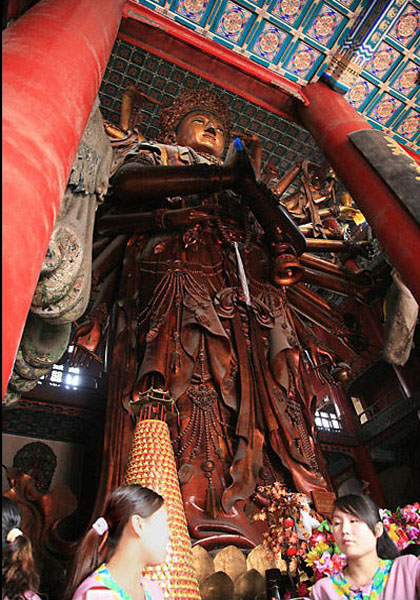
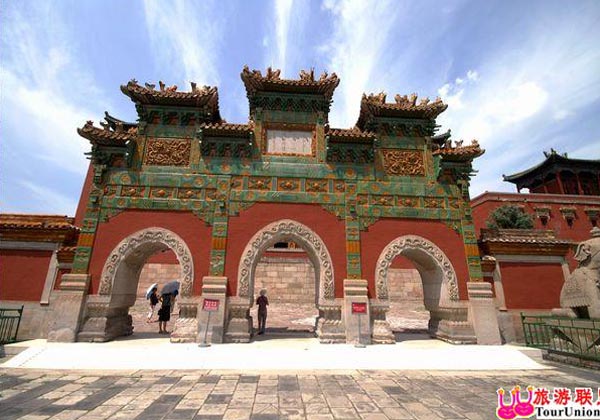
These China pictures are about Eight Outer Temples in Chengde.